Shirley Temple Doll Condition Grading and What Affects Value
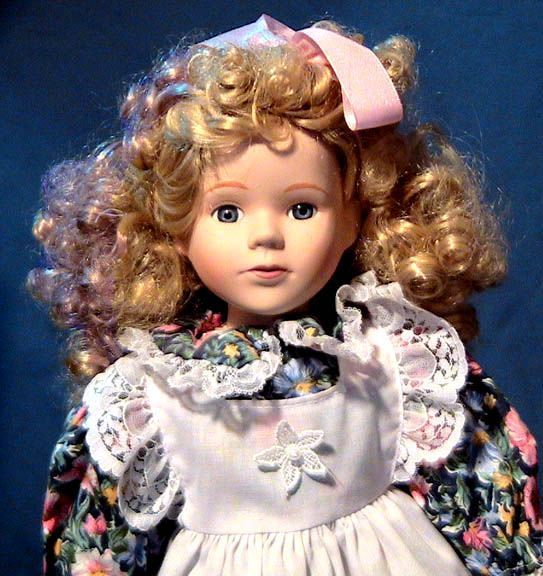

A Shirley Temple doll's value rests on two things: that it is a genuine Ideal doll, and how much of it is original and in good order. Check crazing on the face, the wig and its curls, the eyes, the pin, the tagged outfit and the box, grade the doll on a simple mint-to-poor scale, then get a value from sold auction records or a qualified appraiser rather than asking prices.
Why condition and originality outweigh age
Most Shirley Temple dolls are not rare. Ideal got the rights to make a Shirley Temple doll in 1934, and the Henry Ford’s collection notes that its success made Ideal the most profitable company in America in 1935. Wikipedia’s composition doll article, citing Judith Izen’s Collector’s Guide to Ideal Dolls, says millions of the composition dolls were produced. With so many survivors, what separates one doll from another is condition and how much of her is still original.
Antiques Roadshow’s own guidance on its appraisals puts it simply: the value of an item depends on the condition of the object, trends in the market and where it is sold, so the honest answer to “what’s it worth?” is often “it depends” (PBS). This page gives you the factors to check so you can describe your doll accurately. It deliberately lists no prices; for those, see the last section.
Before grading, make sure of what you have. Our identification guide covers markings, sizes and eye types, and Dolls by Era separates the 1930s composition dolls from later vinyl ones. The doll catalog shows individual models.
Step 1: Is it an Ideal Shirley Temple at all?
Grading only matters once the doll is genuine. Two Roadshow appraisals show the two ends of this question.
- The genuine article. In an appraisal recorded at Rapid City in 2012, of a doll given as a Christmas present in 1934, appraiser Marshall Martin stressed that a true Shirley Temple doll “has to be made by Ideal”. Other dolls looked like her but could not be advertised under her name (PBS).
- The reproduction. In a 1997 appraisal, a porcelain “Shirley Temple” bought from an antique shop turned out to be marked “Repro” on the back. The appraiser pointed to porcelain that felt new, new-looking stitching on the wig and dress, and shoes that did not look old (PBS). The first Ideal Shirley Temple dolls of 1934 were composition (Wikipedia), so a porcelain Shirley is not one of them.
The same appraiser’s advice applies to any doll: look for a marking, and use the reference books that list mold numbers and what to look for.
Step 2: Grade the condition
There is no single official grading scale for dolls. Collectors and auction houses borrow the general terms used across the toy and collectibles trade. The ladder below is a practical way to describe a Shirley Temple doll consistently; use the words the way the descriptions say, and you will be speaking the same language as dealers and appraisers.
| Grade | What it looks like on a Shirley Temple doll |
|---|---|
| Mint in box (MIB) | Never played with, in her original box, with pin, tagged outfit and set curls. The Roadshow 1934 doll was described as “mint in box”. |
| Mint / near mint | As above but without the box, or with tiny flaws you have to hunt for. |
| Excellent | Displays beautifully. Original wig with most of its set, original outfit, only light age wear. Composition may show very fine crazing visible only up close. |
| Very good | Clearly cared for but has visible wear: some crazing (often around the eyes), a loosened set, a little fading or soiling to the dress. |
| Good | Obvious play wear. Heavier crazing or small paint lifts, wig thinned or re-set, outfit incomplete or replaced. |
| Fair / poor | Large cracks or flaking, lost paint, missing or replaced wig, broken eyes or stringing, no original clothes. Often bought as a project or for parts. |
Grade the doll and her clothing separately. A doll can be “good” while her outfit is “excellent”, and as the next section shows, the clothes can matter as much as the doll.
Step 3: Check the value factors one by one
Crazing and cracks (composition dolls)
Composition was sold as an improvement on breakable bisque, but Wikipedia notes that over time the material deteriorated, leaving many older dolls with small cracks and flaked surfaces. Fine surface crackle is called crazing.
Some crazing is expected on a 90-year-old composition doll and does not by itself make a doll worthless. In a 2006 Tucson appraisal, Richard Wright described a Shirley as in very good shape apart from cracking around her eyes, and explained that this happens to American composition dolls with too much heat or too much cold (PBS). What lowers value is the severity and the location:
- Face first. Crazing on the cheeks, nose and around the eyes is the most visible and counts most.
- Fine crazing vs. lifting paint. A hairline network is far better than paint that is flaking or lifting away.
- Body and limbs. Cracks at the joints and hands matter less than the face but still count.
- Repaint. A doll that has had her face or body repainted is no longer all original; ask whether any “perfect” complexion is factory paint or a later touch-up.
If your doll has crazing, keep it from getting worse: avoid attics, basements, radiators and sunny windows.
The wig and its curls
The wig and its set of curls are part of the doll’s face. Martin listed “the curls are still in place” first among the reasons the 1934 doll was so desirable (PBS). Check whether the wig is the original, whether it is still glued at the factory position, and how much of the set survives. A wig that has been combed out, cut or replaced is a clear step down.
Eyes and mechanics
If your doll has sleep eyes, check that both open and close together, that the eyes are not cloudy or cracked, and that the eyelashes are still present. Check the stringing that holds the limbs on: a loose doll can be restrung, but note it.
The pin
The original pin is small, easily lost, and one of the details appraisers look for. In the 1934 appraisal, “original pin is still on the doll” was the second point Martin made (PBS). A pin can be moved from one doll to another, so judge it alongside the markings and clothing, not on its own.
The outfit and its tag
Original, tagged clothing is one of the biggest value factors, and it is easy to underestimate. In the 2006 appraisal, the doll wore her original dress with its tag and came with a cowgirl outfit and boots, which Wright called “something you don’t find that often”. He told the owner: “Her clothes are actually worth more than the doll itself” (PBS).
When you grade the outfit, note:
- Is there a cloth tag sewn in? Photograph it.
- Is the dress one of the film-related designs? Our outfits-by-film pages show the styles to look for.
- Fading, stains, holes, missing buttons, and whether the original socks, shoes and underwear survive.
- Any extra outfits or accessories that came with her, such as a trunk of clothes.
The box and paperwork
An original box moves a doll toward the top of the scale, even if the box itself is worn. The 1934 Roadshow doll still had her box with the original price on the end (PBS). Keep any box, price ticket, receipt, letter or family photo with the doll: provenance (who owned her, when she was bought) helps an appraiser and a buyer trust the story.
The silk label or tag
The same appraisal also pointed to the silk label “that tells us that she is indeed Shirley Temple”. Labels and tags are fragile, so do not try to remove or wash them.
Step 4: Write a condition report
Whether you are insuring, selling or simply recording a family heirloom, a short written report saves time and stops details being lost. Include:
- Markings: what is on the back of the head and on the body, copied exactly.
- Height, measured from the top of the head to the heel.
- Material: composition, vinyl or something else.
- Eyes: sleep or painted, colour, condition.
- Wig: original or not, colour, state of the curls.
- Surface: where any crazing, cracks, flaking or repaint is, and how severe.
- Clothing: what she is wearing, tags present, condition, extra outfits.
- Pin, box, paperwork: present or missing.
- Photographs: front, back, face close-up, markings, tags, and any damage.
With that report, you can give your doll an overall grade from the table above and an appraiser can work from facts rather than guesses.
Step 5: Finding a value without guessing
We do not publish prices, because figures go out of date and a value depends on the individual doll. Roadshow itself tells viewers to note the date of an appraisal, because values move with the market and an older estimate may now be higher, lower or the same (PBS). Its reproduction appraisal also shows the gap between what a shop asks and what a doll is worth on the open market (PBS).
For a value you can rely on:
- Look at sold results, not asking prices. Auction houses that specialise in dolls publish past results with photos and condition notes. Compare dolls of the same size, era and completeness as yours.
- Use a qualified appraiser for insurance, estate division or a sale of a good doll. Ask for a written report that describes the doll, the method and comparable sales. Be wary of anyone who names a figure before examining the doll or offers to buy it on the spot.
- Talk to a doll club. Local doll clubs and collectors’ societies can help with identification and point you to reputable appraisers and restorers.
- Don’t restore before you ask. Repainting, re-wigging or washing an outfit can lower value. Get advice first.
Questions people ask
Does crazing make a composition Shirley Temple doll worthless?
No. Some crazing is expected on composition dolls from the 1930s. Roadshow appraiser Richard Wright described a Shirley with cracking around the eyes as otherwise in very good shape. Heavy crazing on the face, flaking paint or repaint lowers value more.
Are the clothes worth more than the doll?
Sometimes. In one Antiques Roadshow appraisal, the doll's original tagged dress and an extra cowgirl outfit with boots were judged to be worth more than the doll itself.
Should I clean or repair my doll before getting it appraised?
No. Washing the outfit, re-setting the wig or touching up paint can lower value. Photograph the doll as she is and ask an appraiser or a restorer first.
Why doesn't this page list prices?
Values change with the market and depend on the individual doll, and Roadshow itself warns that an older appraisal may now be higher, lower or the same. Use recent sold results for comparable dolls, or a written appraisal.
My doll is porcelain and marked Shirley Temple. Is it from the 1930s?
The first Ideal Shirley Temple dolls of 1934 were composition. A porcelain doll is a later piece; one shown on Antiques Roadshow was marked "Repro" on the back.